Cognitive
Agriculture
Treating farms as intelligent systems capable of sensing, adapting, and regenerating.
Modern agriculture is built around control.
It treats the farm as a set of inputs and outputs. Fertilisers, pesticides, and water are applied based on fixed schedules or broad assumptions. If something goes wrong, more inputs are added.
But living systems don’t respond well to control. They respond to attention. To timing. To context. Trying to force a biological system to behave like a machine leads to unintended consequences: soil degradation, declining yields, and ecological stress.
AGROSTASIS
™Built to collaborate with a living system rather than control it
The first agentic platform for agriculture. It continuously senses, models, acts, and adapts to keep the field in balance as conditions change.
Inspired by how living systems regulate internal conditions to remain functional in the face of external change, AGROSTASIS continuously senses, interprets, and adjusts management practices across space and time. A sensing and geospatial layer captures field and laboratory observations including soil chemistry, plant sap, biological measurements, weather, soil organism and plant morphology via imagery, and spatial field context. Raw observations are not treated as isolated diagnostics but as inputs to a closed-loop system that continuously updates its models, reduces uncertainty, and guides action over time.
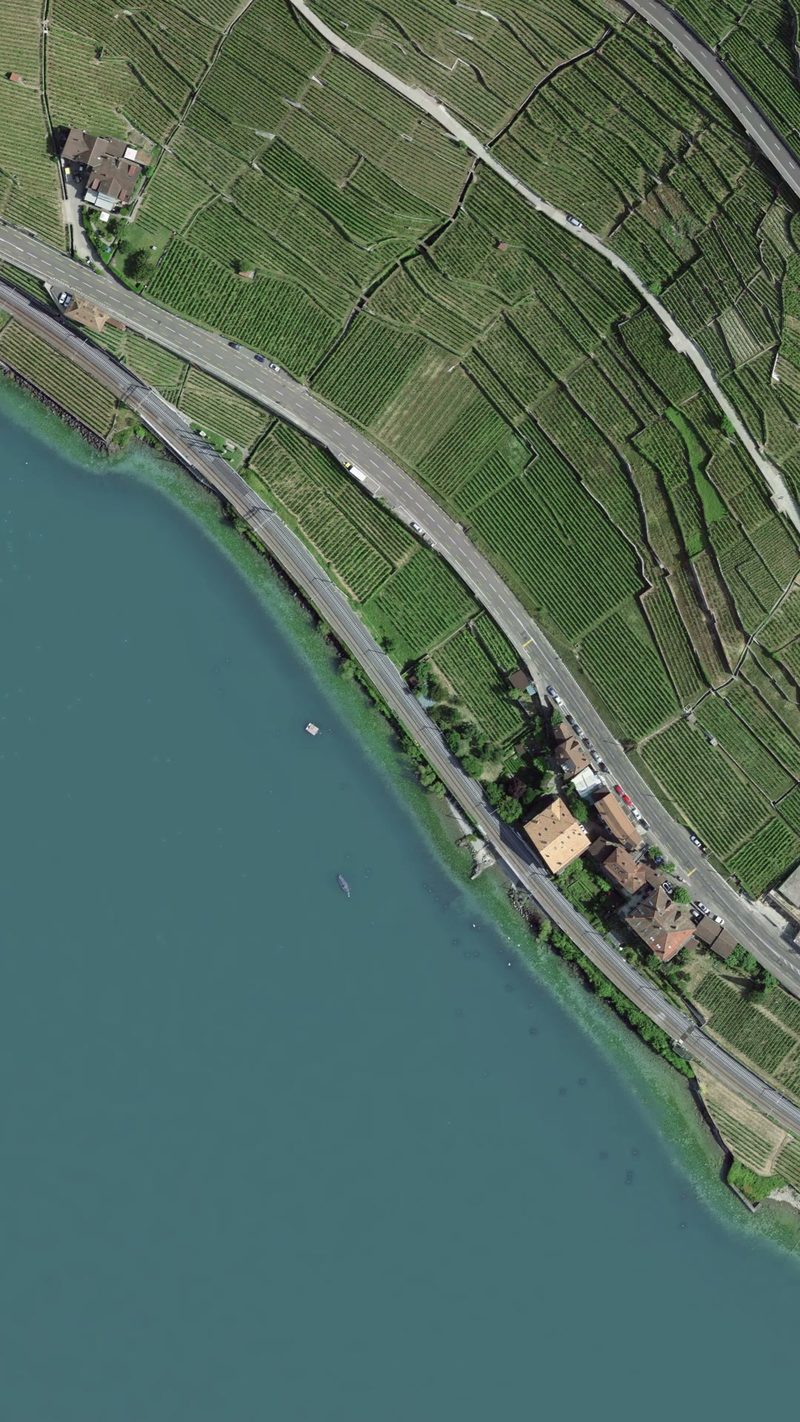
Swiss vineyards carry a mounting bill every season.
Labour, machinery, land lease, plant protection, insurance and inputs: CHF 33,000 to 55,000 per hectare.
Lab testing, sensors and agronomy consulting add CHF 2,000 to 6,000 on top, and the number grows every year.
Every new tool arrives with its own supplier, its own invoice, and takes more of the grower’s time.
None of them is accountable for the harvest.
Chemical strategies are losing effectiveness as mildew and botrytis pressure intensifies. Soil fertility declines, margins shrink, and growers spend more each season for the same result.
The grower is expected to function as their own data scientist, agronomist, buyer and coordinator, while also managing the vineyard.
We’re an asset manager
for the land.
Swiss Soil takes responsibility for every part of fertility and biological management: sampling, lab coordination, interpretation, input formulation and field application.
Approximately CHF 10,000 to 12,000 per hectare per season. The price replaces what growers already spend across separate suppliers rather than adding to it.
Growers need no hardware, software subscriptions or vendor coordination.
The ServiceBefore: six categories of spend on one hectare. After: one contract under management.
The agronomic case will be built over two field seasons on a working vineyard in Vaud.
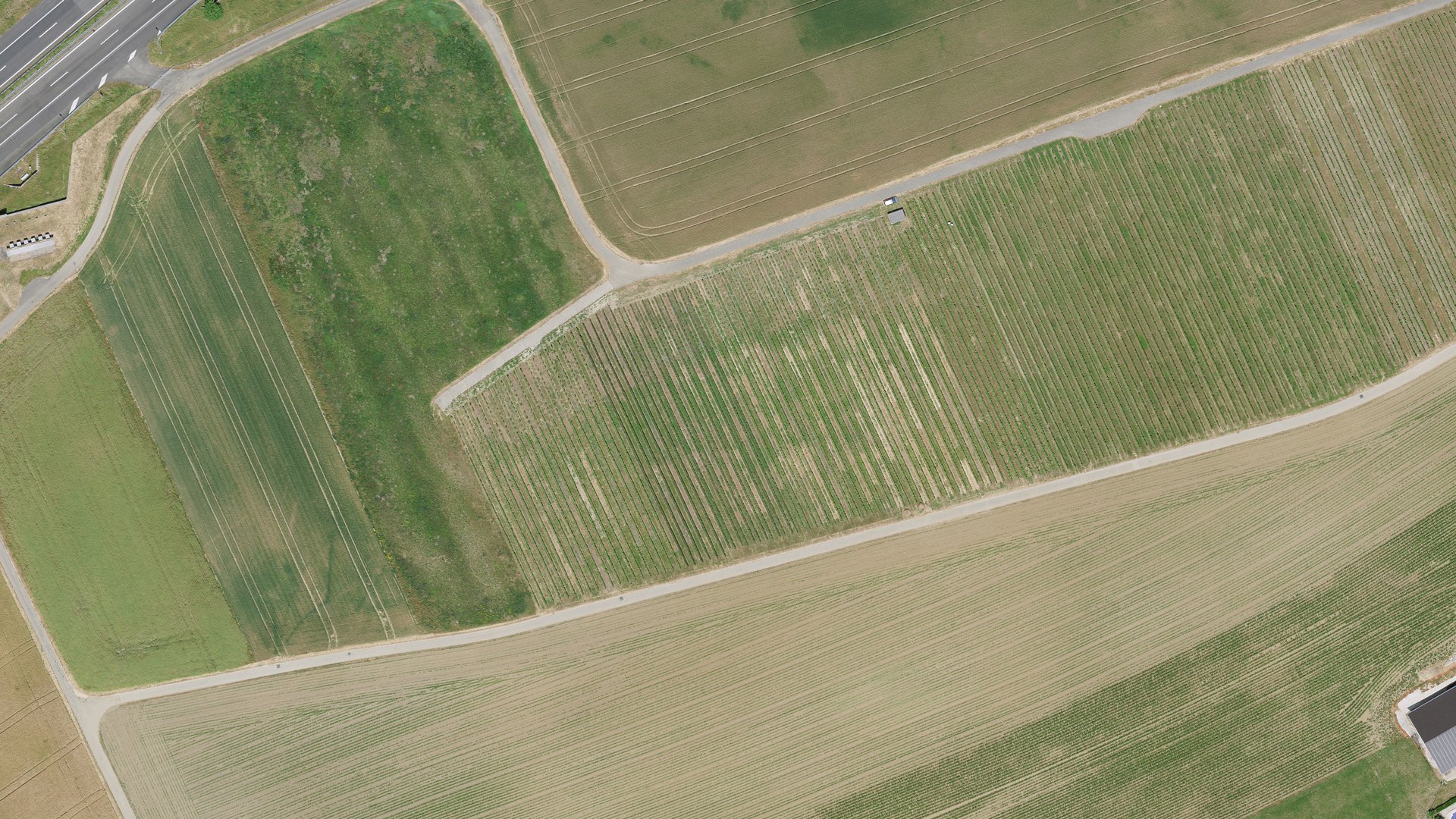
From biological signals to field decisions.
To further develop and validate the system, Swiss Soil will conduct a two-season research pilot in Vaud, funded by Innosuisse. The pilot will generate the agronomic evidence base required to deploy the Area Under Management (AUM) service at scale.
With Changins we want to show that sap analysis covering more than 100 compounds can tell us how the vine is doing, and link that to mildew and botrytis risk and to grape quality. We also want to see our inoculum establish in the field and the soil’s microbial diversity recover after we apply it. The pilot also has to show that our costs and our price per hectare hold up in a real vineyard.






Talk to
Swiss Soil.
Growers, cooperatives and research partners who want to know what Area Under Management would mean for their vineyard, or who want to follow the Cognitive Vineyard Project, can write to us directly.
contact@swisssoil.com